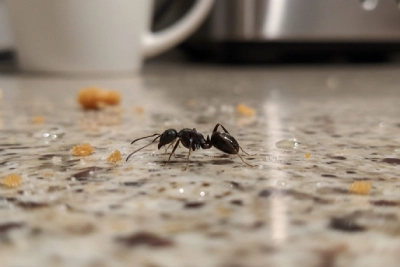
Ants rarely appear indoors without a reason. A small number of ants may enter while searching for something useful inside. Once they begin returning along the same route, a visible trail can form quickly.
In Upstate New York, ant activity often becomes more noticeable in spring and summer, after heavy rain, or during dry periods when colonies search for water. Kitchens, bathrooms, basements, crawl spaces, windows, doors, and foundation gaps are common areas for activity.
If ants keep returning after cleaning, professional ant pest control can help identify the species, locate the source, and treat more than the visible trail.
Why Ants Suddenly Come Inside
Ants usually enter homes for one of four reasons: food, water, shelter, or access.
| Cause | What may be attracting ants |
| Food | Crumbs, grease, sugar, pet food, trash, or open pantry items |
| Water | Leaks, condensation, damp wood, sinks, or basements |
| Entry points | Gaps around windows, doors, pipes, siding, or foundations |
| Weather | Heavy rain, heat, drought, or seasonal changes |
| Nearby colonies | Nests in soil, mulch, trees, pavement, or wall voids |
| Damaged wood | Moist or deteriorated wood that may support carpenter ants |
The ants visible inside may represent only a small part of the colony. The nest could be outdoors near the foundation, beneath a patio, inside a wall, or in moisture-damaged wood.
Food and Moisture Are Common Triggers
Even a clean kitchen can provide enough residue to attract ants. Crumbs under cabinets, grease behind appliances, spills near trash cans, open food containers, and pet bowls can all support ant activity.
Moisture is just as important. Ants are often found near sinks, dishwashers, washing machines, toilets, damp basements, and plumbing lines. Around Upstate New York homes, clogged gutters, poor drainage, wet mulch, leaking roofs, and damaged wood can also create favorable conditions.
Moisture is especially relevant when carpenter ants are involved. Carpenter ants do not consume wood. They carve out nesting spaces, most often in timber that has already been weakened by moisture or decay.
Are They Nuisance Ants or Carpenter Ants?
Small ants around kitchen counters, sinks, and pantry shelves may be nuisance species looking for food or water. Ants near patios, driveways, and foundations may be nesting outside and entering through small gaps.
Carpenter ants require closer attention. They are often larger than common household ants, but size and color alone are not enough for reliable identification.
Possible signs of carpenter ant activity include:
- Large ants repeatedly appearing indoors
- Numerous winged ants inside
- Sawdust-like debris known as frass
- Activity near damp windows, doors, decks, or sill plates
- Faint rustling sounds inside walls
- Trails entering structural cracks or gaps
When these signs are present, carpenter ant control should focus on locating the nest and identifying the moisture problem that supports it.
Why DIY Sprays May Not Solve the Problem
A surface spray may kill ants moving across a counter, but it may not reach the queen, nest, or satellite colonies. Activity may disappear briefly and then return from the same entry point or appear in another room.
Different ant species also respond differently to treatment. Some may respond to baiting, while others require exterior service, direct nest treatment, moisture correction, or a combination of methods.
Using several products without identifying the species can disrupt visible trails without eliminating the source.
How Professional Ant Pest Control Finds the Source
Professional ant exterminators begin by identifying the species and tracking activity toward likely nesting areas.
An inspection may include:
- Kitchens and bathrooms
- Basements and laundry rooms
- Window and door frames
- Plumbing and utility lines
- Foundation gaps
- Mulch beds, shrubs, and trees
- Damp or damaged wood
The treatment plan depends on where the colony is located and how the ants are entering the home. It may include targeted interior treatment, exterior perimeter service, baiting, crack-and-void treatment, moisture recommendations, or entry-point reduction.
For some homes, organic pest control options may also be considered. The method should still be selected according to the ant species and nest location.
How to Reduce Ant Activity
Reduce easy food sources by keeping pantry goods covered, cleaning residue from counters and floors, rinsing recyclables, and removing leftover pet food after meals.
Repair plumbing leaks, improve drainage, clean gutters, replace rotting wood, and keep mulch from holding moisture against the foundation.
Outside, trim branches and shrubs away from the home and seal gaps around utility lines, windows, doors, and siding. These steps may not remove an established colony, but they can reduce food, moisture, and access.
When to Call Ant Exterminators
Call ant exterminators when:
- Trails return after cleaning
- Ants appear in several rooms
- Activity continues for several days
- The nest cannot be located
- Large or winged ants repeatedly appear indoors
- Frass or moisture-damaged wood is present
- DIY products provide only temporary results
The right response depends on the species and the colony location. Treating only the visible workers often provides short-term relief without solving the infestation.
What Homeowners Should Do Next
A sudden ant problem usually points to food, water, an entry route, or a nearby colony. Start by removing accessible food, checking for leaks, and observing where the trail enters the room.
If ants continue to return or carpenter ants may be involved, arrange an inspection before repeatedly applying sprays. Professional ant exterminators can identify the species, trace the source, and recommend a treatment plan based on the conditions in and around the home.