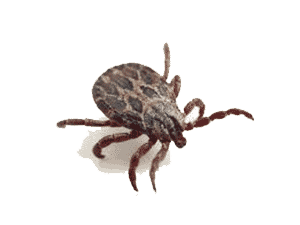
Ticks
IMMEDIATE, EFFECTIVE, 100% NATURAL SOLUTIONS
We Are Tick Exterminators
EnviroPest has been protecting local homes and families for over 35 years. Our friendly exterminators provide a variety of treatments including our all-natural tick control solutions that effectively deal with your pest issues. With tick populations getting larger year after year, we are seeing Lyme Disease increasing as well. Overwhelmed by the number of cases, the medical community has begun scrambling for a vaccine or cure.
Our Industry Leading Tick Extermination Method
We Start with a Thorough Investigation
Ticks can be an especially dangerous parasitic pest that spread diseases such as Lyme Disease. We will identify and treat problem nesting areas to eradicate the problem at the source. Ticks can be problematic with pets as well and can be brought into the house if not handled before the problem escalates.
Our Treatment Tool Chest
EnviroPest offers a variety of different treatments for tick extermination and will provide recommendations on which procedure is right for your pest situation.
We promise you a 100% tick-free yard after treatment! If you find that some of those pesky bugs managed to get past our initial assault, we will come back and make sure we treat your property again free of charge.
Learn more about tick exterminator service in your area:
New York
Pennsylvania
5-Star Review from Google
They were prompt, courteous and got right to work. Best part…environmentally friendly!
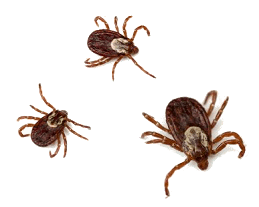
Ticks - Ixodidae/Argasida
Ticks are a small parasitic bug which feed on small to medium size mammals and humans. Ticks can range in size from 2.7mm to 3.6mm. Ticks are vectors of a number of diseases, including Lyme disease, Q fever, Colorado tick fever, meningoecephalitis and anaplasmosis.
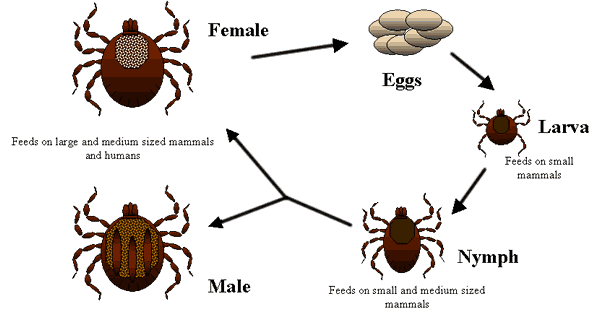
Tick Lifecycle
In North America we typically find 2 families of ticks, Ixodidae (hard shield) and Argasida (soft). Ticks have four life stages: egg, Larva, nymph, and adult. They feed on blood from medium to large mammals and humans. The entire life cycle of a tick takes at least one year to complete. Up to 3,000 eggs are laid on top of the ground. When the larvae emerge, they primarily feed on blood of small mammals and birds. After the tick has finished feeding they detach from their host and molt to become nymphs. During the nymph stage the tick will now start to feed on larder hosts and molt into an adult.
The most common ticks found in North America are the black-legged or deer tick, American Dog tick, and Brown Dog tick.
Health Implications of Ticks
Many of the diseases that ticks carry cause flu-like symptoms such as fever, headache, nausea, vomiting, and muscle aches. Symptoms may begin from 1 day to 3 weeks after the tick bite. Sometimes a rash or sore appears along with the flu-like symptoms. Common tick-borne diseases include:
- Lyme disease
- Rocky Mountain spotted fever
- Tularemia
- Ehrlichiosis
- Relapsing fever
- Colorado tick fever
- Babesiosis
It's fortunate that most ticks don't carry diseases, and most tick bites don't cause serious health problems. But, it is important to remove a tick as soon as you find it for safety. Removing the tick's body helps you avoid diseases that infected tick may pass on during feeding. Removing the tick's head helps prevent an infection in the skin where it bit you.
What to Look for When Hiring Tick Exterminators
- The pest management company should be licensed by the state and insured.
- Tick exterminators should be certified pest management professionals and fully licensed in the state.
- The company should be a member of a professional organization, such as the National Pest Management Association.
- The company should have a staff entomologist or access to one.
- Technicians should have experience with ticks.
- Choose a company based on their quality of service, not the price. Research user reviews and testimonials to solidify your choice.
- A pre-inspection should be conducted to assess the scope of the work.
- The proposed work should follow the steps of integrated pest management, not just pesticide application.
The EnviroPest Complete Warranty
If at any time between services or your warranty period, you as a customer of EnviroPest are not satisfied for any reason. We will readdress the area in question at no additional charge. We have serviced over 300,000 homes and businesses over 35 years, and our clients rely on us to stand behind the work we perform.
Our continuous inspection and treatment mean a you’ll be satisfied as long as you have us on the property.
Our service personnel has been trained and certified with over six (6) years of experience in the pest control field as specialists. We do not advocate or provide seasonal labor or “college kids” to provide applications in or around your family or home. Another reason we are the natural choice in pest control.
Request Free Pest Control Estimate
How Does EnviroPest Specifically Handle Ticks?
EnviroPest is trained to manage ticks:
- Inspection – We will inspect and treat the areas of infestation and the areas that are considered high-risk areas within a home. The more extensive and detailed the treatment, the more effective.
- Prevention – Humidity should be reduced if possible in the high-risk areas and any building materials. Moisture should be removed from any site containing highly conductive areas that could create areas of harborage. We can help identify these areas with our clients as we guide through the property.
- Warranty – We are ready to check after some time on whether the problems have been resolved. However, you should also check trouble areas regularly considering this issue takes a while to occur and become visible; an excellent company should also warranty their pest control service after treating the infestation.
Tick FAQs
Why are ticks a problem in Upstate New York and Pennsylvania?
Ticks are a serious concern in Upstate New York and Pennsylvania because wooded properties, tall grass, leaf litter, shaded yards, stone walls, wildlife trails, and pets can all create conditions where ticks thrive. Blacklegged ticks, also called deer ticks, are especially important in both regions because they can spread Lyme disease and other tick-borne illnesses.
Why do ticks show up around yards, not just in the woods?
Ticks are often associated with trails and wooded areas, but they can also show up in residential yards when shade, leaf litter, tall grass, brush, stone walls, wood piles, wildlife, or pets create the right conditions. In Upstate New York and Pennsylvania, yard edges, fence lines, landscaped beds, wooded borders, and the transition between lawn and woods are common areas to inspect.
Where are ticks most likely to be found around a property?
Ticks are commonly found in shady, damp, and protected areas. Around local homes, they may be present near tall grass, wooded edges, brush, leaf litter, stone walls, wood piles, overgrown landscaping, fence lines, shaded garden beds, and areas where deer, mice, pets, or other animals travel.
How does EnviroPest inspect for ticks?
A tick service starts by looking for high-risk areas where ticks are most likely to live, hide, or come into contact with people and pets. This may include lawn edges, wooded borders, shaded landscaping, pet areas, brushy sections, fence lines, stone walls, and places with excess moisture or leaf debris.
What does tick treatment involve?
Tick treatment may involve targeting the areas where ticks are most active, especially high-risk outdoor zones around the yard and home. EnviroPest uses all-natural tick control solutions and recommends the treatment approach based on the property, the level of activity, and the areas where ticks are likely to be hiding, harboring, or waiting for a host.
Can tick control help protect pets?
Yes. Pets can pick up ticks in yards, along fence lines, near wooded edges, around shaded landscaping, or in tall grass, then carry them indoors. Yard treatment can help reduce tick pressure around the property, but pet owners should still check dogs and cats regularly and follow their veterinarian’s tick prevention recommendations.
Can ticks get inside the house?
Ticks usually start outdoors, but they can be brought inside on pets, clothing, shoes, gear, or people after time spent in grass, brush, gardens, trails, or wooded areas. If ticks are found indoors, the outdoor source should be inspected so the problem can be addressed before it continues.
What can homeowners do to make their yard less attractive to ticks?
Homeowners can reduce tick-friendly conditions by keeping grass trimmed, removing leaf litter, cutting back brush, reducing damp shaded areas, cleaning up wood piles, limiting rodent harborage, and creating a clear barrier between wooded areas and the lawn. These steps are especially helpful for properties near woods, fields, stone walls, heavy landscaping, or wildlife activity, and they work best when combined with a professional treatment plan for high-risk areas.
Are ticks only active in summer?
No. Tick activity is often highest during warmer months, but ticks can remain active whenever temperatures are above freezing. In New York and Pennsylvania, spring, summer, and fall are especially important times to stay alert, and mild winter days can still create tick exposure around wooded edges, leaf litter, brush, and yard areas.
Is one tick treatment enough for the season?
One treatment may help reduce activity in targeted areas, but tick pressure can continue through the season as deer, mice, pets, and changing weather conditions reintroduce ticks to the property. Properties near woods, tall grass, shaded edges, stone walls, wood piles, fields, trails, or heavy wildlife activity may benefit from ongoing monitoring and seasonal service.
Gain more knowledge about the growing tick problem in New York and Pennsylvania with these articles.

You can also use the onsite chat feature, Free Pest Control Estimate form on this page, or our online contact form to get in touch with us. Whatever your pest control need, we are happy to help you eliminate it.
Featured Product Lines:

Thank you for the great work you guys did. I appreciate the extra effort that you made for me to keep the costs down. You have a lot of skill and a down-to-earth way when working with others!