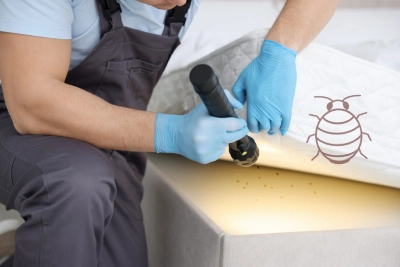
In Buffalo townhomes, brownstones, two-family homes, and apartments, bed bugs can easily move between units. They can travel through shared walls, basements, and gaps around pipes and wiring. Bed bugs can also spread to multiple units quickly when belongings are moved between them.
Once bed bugs have been identified and the size of the infestation determined, the right treatment depends on the type of building, the size of the infestation, and how much preparation is possible.
Bed Bugs in Buffalo Housing Can Be Difficult to Contain
Much of Buffalo’s housing is older and connected. In neighborhoods such as Elmwood Village, Allentown, and North Buffalo, townhomes, brownstones, and two-family homes with upper and lower units often share walls, basements, and utilities. In student housing near the University at Buffalo and Buffalo State, people frequently move in and out, and furniture regularly changes hands between tenants.
In shared buildings, bed bugs can move through gaps around pipes, electrical lines, baseboards, and holes in walls. However, they most commonly travel on belongings such as luggage, backpacks, clothing, and furniture. If only one unit is treated while neighboring units have active infestations, bed bugs can become a recurring problem.
Confirm Bed Bugs Before Treatment
If you suspect bed bugs in your home, look for evidence. Signs include live bed bugs, dark spotting, shed skins, eggs, or reddish stains in the seams of mattresses, bed frames, headboards, and upholstered furniture. If you’re unsure, a professional bed bug inspection can confirm whether bed bugs are present and which rooms are affected.
Treatment Options for Bed Bugs in Buffalo
| Treatment Method | Description | Considerations for Townhomes, Brownstones, and Apartments |
|---|---|---|
| Steam | Kills bed bugs and their eggs on contact in seams, furniture, and cracks | Precise treatment for occupied spaces, but does not leave long-term protection |
| Heat | Raises room temperatures to levels that kill bed bugs and their eggs | Treats the full space, but adjacent units may still need inspection |
| Residual | Labeled insecticides applied to cracks, crevices, and travel routes | Useful because bed bugs often pass through shared walls, outlets, and pipe gaps |
| Combined | A combination of methods with follow-up visits | Often the best option for shared buildings with infestations in multiple areas |
At EnviroPest, we tailor a treatment plan to your property. We offer steam treatments, heat treatments, and residual treatments depending on the situation. Our bed bug treatments are backed by a one-year warranty.
If You Rent, Tell Your Landlord
If you live in an apartment, rented townhome, or one unit of a two-family home and suspect bed bugs, tell your landlord or property manager as soon as possible, ideally in writing. That way, neighboring units can be checked quickly to help prevent further spread. Responsibility for treatment can depend on your lease, so review it when you report the problem.
While you wait for a bed bug inspection, do not move furniture, bedding, or bags between rooms, shared storage areas, or neighboring units. This is the most common way bed bugs spread through buildings.
If You Own a Townhome, Brownstone, or Multi-Unit Property
If you own a townhome, brownstone, two-family home, or rental building, more than one unit may need attention. Once bed bugs are confirmed in one unit, adjacent units, shared basements, and laundry rooms should be checked to see how widespread the infestation is. Treating units at the same time reduces the risk of bed bugs moving from untreated areas into treated ones.
After treatment, sealing gaps around pipes, outlets, and baseboards can help limit movement between units, and interceptors placed under bed legs can help with monitoring.
Getting Ready for Treatment
Preparation depends on the type of treatment. Typical steps include reducing clutter, washing and drying heat-safe bedding and clothing on high heat, and placing cleaned items in sealed bags. You may also be asked to provide access to beds, furniture, and baseboards. Our preparation checklist covers both single-family homes and apartments.
How Long Treatment Takes and What It Costs
Treating a minor infestation in a single room takes less time than treating a widespread infestation across multiple rooms or units. Many infestations require follow-up visits and several weeks of monitoring. Timing and cost depend on the type of treatment, the number of rooms or units, and the amount of preparation required. For a closer look, see our guide to bed bug treatment cost and timelines in Buffalo.
Frequently Asked Questions
Can bed bugs move between townhomes or units in a Buffalo double?
Bed bugs can move through gaps around pipes, wiring, and baseboards in shared buildings. However, they most commonly move between units on belongings. If bed bugs are confirmed, adjacent units should be checked.
Will Buffalo’s cold winters kill bed bugs?
No. Bed bugs live indoors, where it’s warm. Leaving infested items outside for a short time will not reliably kill them, even in a Buffalo winter. To freeze bed bugs, infested items must stay at 0°F for at least four days.
Do I need to get rid of my mattress?
Usually not. Many mattresses can be treated, and carrying an infested mattress through hallways or stairwells can spread bed bugs. If your mattress has bed bugs, read more here.
Bed Bug Treatment in Buffalo
EnviroPest offers pest control services in Buffalo and the surrounding Western New York communities. We treat bed bugs in townhomes, brownstones, apartments, and rental properties. If you’re seeing live bed bugs, dark spotting, or shed skins, call (716) 884-0400 or request a free estimate.