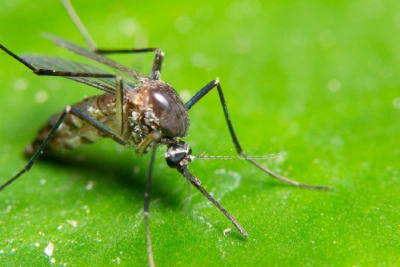
Summer should make it easier to enjoy your patio, garden, and backyard, not force everyone indoors because of mosquitoes. No yard can be made completely mosquito-free, but consistent prevention can reduce breeding areas, limit resting spots, and make outdoor spaces more comfortable.
In Upstate New York, mosquito activity usually rises with warm weather and rainfall. Effective mosquito pest control starts with the conditions around the property, not with one spray or quick fix.
Why Mosquitoes Gather Around Backyards
Mosquitoes need water during the early stages of their life cycle. Some species can use small collections of water, including rain trapped in toys, planters, gutters, tarps, and unused containers.
Adult mosquitoes also rest in shaded, humid areas. Dense shrubs, tall grass, leaf piles, and overwatered landscaping can give them protected places close to patios and doors.
Nearby woods, drainage areas, wetlands, or neighboring properties may add to mosquito activity. Homeowners cannot control every source, but they can make their own yard less favorable.
Start With a Weekly Standing-Water Check
Walk the yard once a week and empty, clean, cover, turn over, or remove anything that can hold rainwater.
| Backyard area | What to check | What to do |
| Flowerpots and saucers | Water beneath containers | Empty and wipe them out |
| Birdbaths | Stagnant water or debris | Replace the water regularly |
| Children’s toys | Rain trapped in hollow areas | Drain and store upside down |
| Gutters | Leaves blocking water flow | Clear debris and restore drainage |
| Tarps and covers | Water collecting in folds | Tighten or reposition them |
| Rain barrels | Openings around the lid | Use a tight cover or fine mesh |
| Pet bowls | Water left outside | Refresh and clean them often |
| Buckets, tires, and containers | Hidden water after rain | Remove or store under cover |
Check behind sheds, under decks, beside grills, and around gardening equipment. Small containers that are rarely moved are easy to miss.
Manage Water That Cannot Be Removed
Pools should be maintained, filtered, and kept in circulation. Birdbaths and fountains need regular cleaning and fresh water. Rain barrels should have secure lids or screens that keep mosquitoes out.
Low areas that stay wet after rain may need better grading or drainage. Leaking faucets and irrigation systems should also be repaired.
When water cannot be drained or covered, use only a larvicide registered for the specific setting in New York, and follow the product label.
Reduce Shady Resting Areas
Removing water addresses breeding, but yard maintenance also matters. Adult mosquitoes often spend time in cool, protected vegetation.
Keep grass trimmed and remove damp leaves, weeds, and plant debris. Thin dense shrubs around patios, play areas, walkways, and doorways. Avoid overwatering garden beds, and correct drainage problems that keep the soil wet.
Trim branches and thick vegetation away from the house to improve airflow and reduce sheltered areas near windows and doors.
Make Patios and Entryways Less Inviting
Check window and door screens for tears, loose edges, and gaps. Repair damaged screens and keep doors closed when possible.
Move seating away from dense shrubs or persistently damp areas. Empty water trapped beneath furniture, umbrellas, and outdoor covers. A fan can improve comfort around a seating area because moving air makes it harder for mosquitoes to remain nearby.
For added protection outdoors, apply a repellent approved for personal use and follow the product directions. Wearing lightweight clothing that covers more skin can also help reduce bites when mosquito activity is heavy. Do not assume that mosquitoes are active only at dusk; activity varies by species.
What DIY Mosquito Control Can and Cannot Do
Removing standing water, maintaining vegetation, and blocking entry can make a meaningful difference because these steps reduce the conditions mosquitoes need.
Citronella candles, repellent plants, and one-time foggers should not be treated as complete solutions. Their effect may be limited to a small area or short period, and they do not remove breeding sources.
Randomly spraying the entire yard can also affect insects that are not part of the problem. A better approach combines habitat reduction, personal protection, larval control when appropriate, and targeted treatment of adult resting areas.
When Professional Mosquito Pest Control Makes Sense
Professional help may be useful when activity stays high after standing water and overgrown vegetation have been addressed. It may also make sense for properties near woods, wetlands, drainage zones, or neighboring sites that continue producing mosquitoes.
An inspection can identify overlooked water sources, shaded resting areas, and conditions that support repeated activity. The plan should be based on the property rather than applied the same way to every yard.
Professional mosquito pest control may also be considered when mosquitoes regularly prevent the use of a patio, pool, play area, or outdoor entertaining space.
What Professional Mosquito Extermination Should Include
Professional mosquito extermination should begin with an assessment of the yard. The technician should look for breeding sites, resting zones, drainage problems, dense vegetation, and areas where people spend the most time.
Service may include recommendations for removing water, targeted treatment of vegetation or other resting areas, and follow-up visits during continued activity. Some properties may also be suitable for organic pest control options.
No treatment can prevent every mosquito from entering a yard, especially when surrounding properties contribute to the problem. The realistic goal is to reduce activity and make the space easier to use.
Keep Prevention Consistent Through the Summer
Mosquito control works best as a routine, not a one-time project. Walk the yard each week, especially after rain. Empty collected water, clear gutters, maintain vegetation, and check screens and outdoor covers.
If activity remains high, an inspection can help identify what is being missed and whether targeted treatment is appropriate. Homeowners across Upstate New York can use the same basic approach: remove breeding sites, reduce protected resting areas, and respond early.