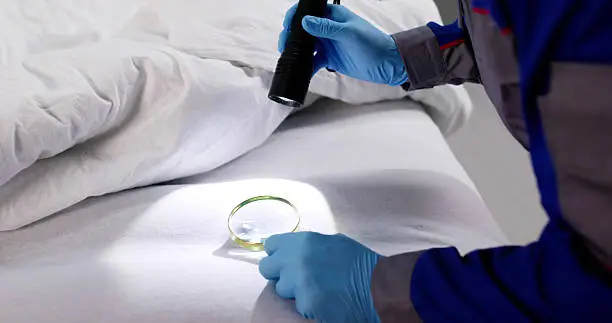
Finding signs of bed bugs in your Binghamton home can quickly become stressful. These insects are difficult to spot, and activity that first appears limited to one bed may also be present in furniture, nearby rooms, or other concealed areas.
Effective bed bug treatment in Binghamton starts with confirming that bed bugs are actually present and determining how far the activity extends. Depending on the property and severity of the infestation, treatment may involve steam, heat, residual products, or a combination of methods.
How to Know If You Have Bed Bugs
Bites alone are not enough to confirm a bed bug infestation. People react differently to bites, and other insects or skin conditions can produce similar marks.
Physical evidence provides a more reliable indication. Common signs include:
- Live bed bugs around mattress seams or furniture
- Dark spotting on bedding, mattresses, or nearby surfaces
- Shed skins left behind as young bed bugs develop
- Small eggs or eggshells hidden in cracks and crevices
- Reddish stains on sheets or mattresses
Bed bugs commonly hide around mattresses, box springs, bed frames, headboards, upholstered furniture, baseboards, and other narrow spaces near where people rest. A thorough bed bug inspection can help determine whether activity is limited to one area or extends farther through the property.
What Professional Bed Bug Treatment Involves
Professional treatment should begin with an inspection rather than simply treating the insects that happen to be visible.
Beds, furniture, linens, cracks, crevices, and surrounding areas may need to be examined for adults, nymphs, eggs, and other evidence. What is found during the inspection helps determine which treatment method, or combination of methods, is appropriate.
An Integrated Pest Management approach may combine chemical and non-chemical techniques rather than relying on pesticides alone. The goal is to address exposed insects along with hidden harborages and other areas where bed bug activity may be occurring.
Bed Bug Treatment Options
There is no single treatment method that is automatically best for every infestation.
| Treatment Method | How It Works | Where It Can Help |
|---|---|---|
| Steam | High-temperature steam is applied directly to accessible hiding places | Mattress seams, furniture, cracks, and other targeted areas |
| Heat Treatment | Temperatures are raised throughout the treated room or area | Can reach bed bugs and eggs in concealed locations when target temperatures are achieved throughout the treated space |
| Residual Treatment | Approved products remain active in designated areas after application | Cracks, crevices, furniture joints, and other appropriate treatment areas |
| Combined Treatment | More than one treatment method is incorporated into the plan | Useful when activity is spread across different types of hiding places |
The bed bug treatment selected for a particular Binghamton property can vary according to the extent of the infestation, the areas involved, and other conditions found during inspection.
Why Bed Bug Removal in Binghamton May Require More Than One Method
Bed bugs can squeeze into narrow spaces that are difficult to see or reach. Eggs may remain protected in concealed locations, and some bed bug populations may be less susceptible to certain pesticide classes.
For that reason, effective bed bug removal in Binghamton involves more than treating a mattress or killing the insects that are immediately visible.
A complete approach may need to address active bugs, eggs, hidden harborages, and areas where bed bugs are moving between resting and hiding locations. Monitoring after treatment is also important for detecting continued activity and evaluating whether the treatment has been successful. Bed bug interceptors may be useful as part of that monitoring process.
How to Prepare Your Home for Treatment
Preparation can affect how efficiently a bed bug treatment can be carried out. Exact instructions depend on the method being used, so homeowners should follow the directions provided for their property.
Avoid carrying belongings from an infested room into an unaffected part of the home. Moving clothing, bedding, boxes, or furniture between rooms can give bed bugs additional opportunities to spread.
Clothing and bedding that can safely tolerate heat may be placed in a dryer on high heat. Washing alone may not eliminate bed bugs, while sufficient dryer heat can kill bugs and eggs. Once treated, clean items should be kept separate from belongings that may still contain bed bugs.
The full bed bug treatment preparation process may also involve reducing clutter and providing access to furniture, cracks, baseboards, and other likely hiding areas.
What Not to Do After Finding Bed Bugs
Discovering bed bugs often leads homeowners to start moving furniture, discarding mattresses, or spraying every insect they see. Those reactions do not necessarily solve the infestation and can sometimes make treatment more complicated.
Avoid carrying potentially infested belongings into other bedrooms or clean areas of the home. Replacing the mattress alone is also unlikely to solve the problem because bed bugs may be hiding in the bed frame, furniture, baseboards, wall openings, or other nearby spaces.
Over-the-counter sprays should not be treated as a substitute for a complete control strategy. Successful treatment depends on identifying where activity is occurring and choosing methods that address the infestation as a whole.
Bed Bugs in Binghamton Homes, Apartments, and Student Rentals
Bed bugs can be introduced into many types of properties, including single-family homes, apartments, rental properties, hotels, and commercial buildings. They can move between locations on luggage, furniture, clothing, and other belongings.
Binghamton and the surrounding Broome and Tioga Counties include a mix of houses, apartment buildings, student rentals, hotels, and businesses. The Binghamton University area also has substantial on- and off-campus housing, with students regularly moving between residences in Binghamton, Johnson City, Vestal, and nearby communities.
That does not mean student housing is inherently more likely to have bed bugs. However, frequent movement of luggage, furniture, and personal belongings between properties makes early identification important when suspicious activity appears.
In apartments and other multi-unit buildings, management can be more complicated because activity may not always remain confined to the first unit where bed bugs are discovered. Coordination between residents, property managers, and pest professionals may be necessary to determine how far the infestation extends.
Local Binghamton pest control services can address bed bug activity in residential and commercial properties throughout the area.
What Happens After Bed Bug Treatment?
The first treatment does not always mark the end of the process.
Homeowners should follow all post-treatment instructions and continue watching for live bugs, dark spotting, shed skins, or other evidence of activity. If residual products were used, avoid cleaning or disturbing treated areas sooner than instructed, since doing so may reduce their effectiveness.
Follow-up inspections or additional treatment may be recommended depending on what is found and how the infestation responds.
Get Bed Bugs Under Control Before They Spread
Effective bed bug control depends on accurate identification, a detailed inspection, proper preparation, and a treatment plan suited to the property rather than a one-size-fits-all approach.
If you suspect bed bugs in your Binghamton home, addressing the problem early can reduce the chance of activity reaching additional rooms, furniture, or belongings. Schedule a free pest consultation to have the affected areas evaluated and determine the appropriate next step.