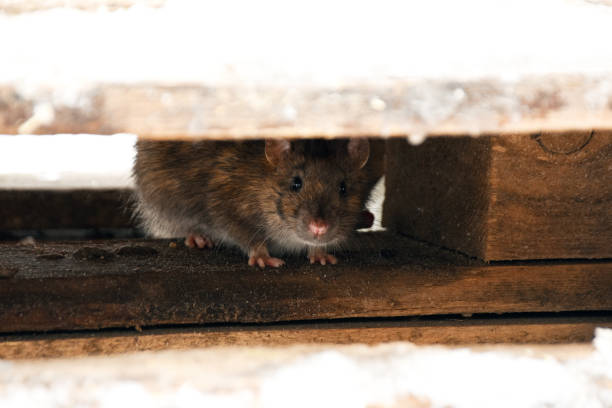
Knowing how to keep mice out of your house becomes especially important as temperatures drop. During fall and winter, mice and other rodents look for warmth, food, and shelter, and a home can provide all three.
For homeowners in Upstate New York and Pennsylvania, waiting until the middle of winter to think about rodent prevention can be risky. Mice may already be using the same foundation gap, door opening, or utility penetration night after night, and some may already be nesting inside walls, attics, basements, or other hidden areas.
The most effective approach is to make the exterior harder to enter, reduce the conditions attracting rodents inside, and look carefully for signs that activity has already started.
How to Keep Mice Out of Your House Before Winter Sets In
The best place to start is outside. Mice can squeeze through very small gaps, so openings that look insignificant can still provide enough room for them to enter.
Walk around the exterior of the house and pay close attention to:
- Gaps beneath exterior and garage doors
- Openings around plumbing, electrical, cable, and gas lines
- Foundation cracks and gaps
- Basement and crawl-space openings
- Damaged vents or screens
- Gaps where siding meets the foundation
- Rooflines, soffits, and eaves
- Openings around HVAC equipment
- Worn or damaged weather stripping
Small openings should be sealed with materials rodents cannot easily chew through. Stainless-steel mesh, hardware cloth, rodent-resistant door sweeps, appropriate sealants, and properly repaired screens can help close vulnerable entry points.
This exterior inspection is one of the most important places to begin, ideally before temperatures fall further.
Make the Area Around Your Home Less Attractive to Rodents
Rodent prevention is not only about closing holes. Conditions around the house can also make a property more attractive to mice and rats.
Before winter, take a few practical steps outside:
- Move firewood away from the foundation.
- Trim dense vegetation touching the house.
- Keep garbage containers tightly closed.
- Clean up spilled birdseed.
- Avoid leaving pet food outside overnight.
- Remove clutter, leaves, and debris near the foundation.
- Check sheds, garages, and other outbuildings for rodent activity.
- Remove unnecessary hiding places close to exterior walls.
Homes near wooded areas, fields, mature vegetation, old stumps, and stored firewood can experience increased rodent pressure as colder weather arrives. That makes exterior prevention particularly important throughout Upstate New York and Pennsylvania.
Reduce Food and Hiding Places Inside the House
Even a well-sealed home can become attractive to rodents if food and nesting materials are easy to find.
Inside, focus on making the house less inviting:
- Store pantry foods in tightly sealed containers.
- Clean crumbs and spills promptly.
- Keep indoor garbage covered.
- Reduce clutter in basements, attics, garages, and storage rooms.
- Check behind appliances and inside lower cabinets.
- Repair leaking pipes and other easy water sources.
- Avoid leaving cardboard boxes, paper, and fabric piled in undisturbed areas.
These steps will not eliminate an existing infestation, but they can reduce the food, shelter, and nesting opportunities that encourage mice to remain inside.
Could Mice Already Be Inside?
Possibly. That is why winter rodent prevention should include an inspection, not just exterior exclusion.
Mice can remain hidden in wall voids, insulation, attics, basements, crawl spaces, cabinets, and stored materials. Because they are most active at night, homeowners often notice evidence of activity before they actually see a mouse.
Once rodents find steady access to warmth, food, and shelter, they may continue returning to the same areas of a home. Recognizing the signs of a rat or mouse infestation early can make it easier to determine where that activity is concentrated and how rodents may be getting inside.
The important point is not to assume every mouse is still outside simply because winter has just started. Once rodents find a reliable route into a building, they may continue using the same pathway.
Signs Mice or Rodents May Already Be in Your Home
Look for evidence in kitchens, pantries, utility areas, basements, attics, garages, and along walls where rodents tend to travel.
Common signs include:
- Droppings around cabinets, food storage areas, walls, or appliances
- Gnaw marks on food packaging, wood, wiring, or other materials
- Scratching or scurrying sounds, especially after dark
- Shredded nesting material such as paper, fabric, cardboard, or insulation
- Greasy rub marks along walls or frequently used routes
- Tracks or disturbed dust
- Chewed food packages
- Unusual musky odors
- Live or dead mice
Fresh droppings, new gnaw damage, or repeated nighttime sounds are especially important because they can indicate current activity rather than evidence left behind from an older problem.
Look for the Entry Point Mice Keep Using
Mice often follow established routes between nesting areas, food sources, and exterior entry points. If signs keep appearing in the same part of the house, there may be a preferred opening nearby.
Inspect the area around concentrated droppings, gnaw marks, sounds, or sightings. Check:
- Pipe and utility penetrations
- Door frames and thresholds
- Foundation edges
- Wall gaps
- Basement openings
- Garage doors
- Crawl-space access points
- Areas where exterior materials meet
Grease marks, concentrated droppings, chewed edges, or disturbed insulation near the same location can indicate that rodents are repeatedly using that route.
Finding the route matters because catching one mouse does not stop another from entering through the same opening.
Be Careful Before Sealing an Active Rodent Entry Point
Closing exterior gaps is an essential part of keeping mice out of your house, but exclusion should not be treated separately from an existing indoor problem.
If mice are already nesting or traveling inside the structure, the active rodents also need to be addressed. Sealing an opening without understanding where they are living or how they are moving can leave rodents trapped inside or force them to search for another route through the building.
The better approach is to coordinate removal and exclusion: identify active areas, determine which openings are being used, address the rodents already present, and seal those routes at the appropriate stage. A professional mice and rodent control program can combine those steps instead of treating the indoor activity and exterior entry points as separate problems.
Handle Mouse Droppings Carefully
Rodent droppings and nesting material should not be swept or vacuumed while dry. Disturbing contaminated material can send particles into the air.
Instead, wet the area thoroughly with an appropriate disinfectant before cleanup and wear disposable gloves. Follow the disinfectant directions carefully and dispose of contaminated material safely.
If droppings or nesting material are widespread, or activity appears to involve several areas of the home, professional evaluation may be appropriate before extensive cleanup begins.
When Winter Prevention Becomes a Rodent Problem
Basic prevention may not be enough if fresh signs continue to appear.
Repeated droppings, scratching inside walls, live mouse sightings, new gnaw damage, or several suspected entry points suggest that rodents may already be established somewhere in or around the structure.
Winter gives mice a strong reason to remain inside once they find dependable warmth, food, water, and shelter. The longer an active problem continues, the more opportunities rodents have to use additional areas of the house and return through familiar entry points.
Keeping rodents out during a Northeast winter means doing more than sealing the first crack you find. It requires reducing what attracts them, identifying the routes they are using, and determining whether mice have already moved inside.
EnviroPest provides rodent control for homes and businesses throughout Upstate New York, including Rochester and Albany, and Pennsylvania. If you are seeing droppings, hearing activity in walls or ceilings, or finding mice inside, do not wait for the problem to become more established. Contact EnviroPest to schedule a rodent inspection, identify the entry points mice are using, and take the right steps to get the problem under control.