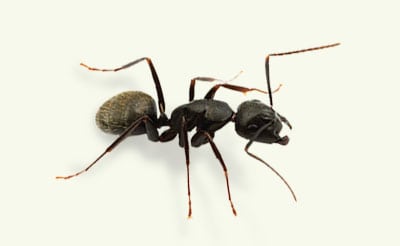
Ants are one of the most common pest problems for homeowners in Syracuse. A few ants on the kitchen counter may not look serious at first, but recurring ant trails, large black ants indoors, or activity around damp wood can point to a larger issue. In many cases, the ants people see are only a small part of the colony.
Syracuse properties have several conditions that can make ant problems more likely: seasonal moisture, older homes, basements, crawl spaces, porches, decks, wooded lots, and landscaping close to foundations. These conditions can give ants access to food, water, shelter, and nesting areas. When ants keep coming back, working with a local ant exterminator in Syracuse can help identify the species, locate the source, and create a treatment plan that addresses more than the visible activity.
EnviroPest provides pest control in Syracuse and the surrounding areas, including inspections and customized treatments for common ant problems.
Why Ant Problems Are Common in Syracuse
Ant activity often increases during warmer months, but the conditions that attract ants can exist year-round. Moisture is one of the biggest factors. Leaky pipes, clogged gutters, damp basements, old window frames, and water-damaged wood can create ideal nesting or foraging areas.
Syracuse homes and commercial buildings may also have small structural gaps that ants use to enter. These include cracks near foundations, openings around utility lines, gaps beneath doors, and spaces around windows. Once ants find food or water inside, they can leave scent trails that guide more ants to the same area.
Common indoor attractants include:
- Crumbs, grease, and spills
- Pet food left out overnight
- Open pantry items
- Standing water near sinks or appliances
- Moisture in bathrooms, laundry rooms, or basements
- Trash and recycling areas that are not cleaned regularly
Because different ant species behave differently, proper identification is one of the most important steps in solving the problem.
Common Ant Problems in Syracuse Homes and Businesses
Not every ant issue is the same. Some ants are mostly a nuisance, while others may signal moisture damage or hidden nesting inside a structure.
| Ant Problem | Where It Often Appears | Why It Matters |
| Carpenter ants | Damp wood, wall voids, decks, porches, window frames, door frames | Can indicate moisture-damaged wood and hidden nesting areas |
| Pavement ants | Sidewalks, driveways, patios, slab edges, foundation areas | Often enter lower-level rooms and kitchens looking for food |
| Odorous house ants | Kitchens, bathrooms, wall voids, cabinets, moisture areas | Can be persistent and may form trails indoors |
| Pharaoh ants | Kitchens, bathrooms, apartments, commercial spaces | Identification matters because the wrong treatment can make activity worse |
A successful ant control plan depends on knowing which type of ant is present, where it is nesting, and what conditions are attracting it.
Carpenter Ants Deserve Special Attention
Carpenter ants are one of the most important ant problems for Syracuse property owners to take seriously. They are drawn to softened or damaged wood because it gives the colony protected space to nest. Around a home, that often means areas affected by moisture, leaks, aging wood, or poor drainage.
In Syracuse homes, carpenter ant activity may appear around:
- Basement framing
- Porch columns
- Decks and exterior wood
- Window and door frames
- Roof edges and soffits
- Areas affected by gutter leaks
- Wall voids near plumbing or moisture
Signs of a possible carpenter ant problem include large black ants indoors, winged ants inside the building, sawdust-like material near wood, or repeated ant activity in the same area. Seeing one or two ants does not always mean there is a major infestation, but repeated sightings should not be ignored.
Why DIY Ant Sprays Often Fail
Many people try store-bought ant sprays before calling a professional. These products may kill the ants that are visible, but they often do not reach the colony. In some cases, sprays can cause ants to change routes or move activity to another part of the structure.
This is especially important with carpenter ants. If ants are nesting inside damp wood or wall voids, surface spraying may only delay proper treatment. The real problem may be a hidden nest, a moisture issue, or an exterior source that has not been found.
DIY methods often fail because they do not answer the most important questions:
- What species of ant is present?
- Is the nest inside or outside?
- Are ants entering from the foundation, roofline, landscaping, or utility openings?
- Is moisture or damaged wood attracting them?
- Are there multiple trails or satellite nesting areas?
Professional ant control is not just about applying a product. It is about inspection, identification, source control, and prevention.
Ant Control in Syracuse
EnviroPest’s ant control process starts with understanding the specific problem. Since ant behavior varies by species, a treatment that works for one ant issue may not be right for another.
A professional ant control process may include:
Inspection and Identification
A technician checks where ants are active, where they may be entering, and what conditions may be attracting them. This may include kitchens, bathrooms, basements, crawl spaces, foundation edges, exterior walls, landscaping, and damp wood areas.
Source-Focused Treatment
Instead of only treating visible ants, the goal is to address the source of the activity. Depending on the species and location, treatment may involve targeted applications, baiting strategies, exterior treatment areas, or recommendations for moisture and exclusion work. EnviroPest also offers all-natural ant control solutions and may provide re-treatment support if activity continues after service.
Prevention Recommendations
Long-term ant control works best when the conditions attracting ants are reduced. That may mean closing small gaps, fixing moisture issues, keeping food and trash areas clean, moving firewood away from the structure, cutting back plants that touch the building, and improving drainage around the property.
Ant Prevention Tips for Syracuse Property Owners
Even after treatment, prevention plays a major role in keeping ants from returning. Property owners can reduce ant pressure by taking a few practical steps:
- Fix leaking pipes, faucets, gutters, and downspouts.
- Store pantry food and pet food in sealed containers.
- Clean crumbs, grease, and spills quickly.
- Empty trash and recycling regularly.
- Seal gaps around windows, doors, pipes, and utility lines.
- Keep mulch, firewood, and vegetation away from siding and foundations.
- Cut back branches and shrubs so they are not giving ants a direct path onto the home.
- Watch for damp wood around decks, porches, basements, and window frames.
These steps are especially useful in Syracuse, where moisture and older structural materials can make certain properties more vulnerable to recurring ant activity.
Signs Your Syracuse Ant Problem Is More Than a Quick Fix
A few ants in the kitchen may be solved with better cleanup, sealed food, or removing a small attractant. But when trails keep coming back, large black ants appear indoors, or activity shows up near damp wood, the issue is usually deeper than the ants you can see.
For Syracuse property owners, a search for ant control near me is often a sign that the same problem keeps coming back. The next step should be a proper inspection, not another surface spray. Identifying the ant species and locating the source of activity helps determine what is allowing the problem to continue.
Professional ant control may be needed if:
- Ant trails keep coming back.
- Large black ants appear indoors.
- Winged ants are found inside.
- Ants are active near damp wood.
- Sawdust-like material appears near wood or walls.
- The problem affects a business, rental property, restaurant, office, or multi-unit building.
- Store-bought sprays have not solved the issue.
What to Do When Ants Keep Coming Back
Ant problems can be frustrating, especially when they keep returning after temporary treatments. The right solution starts with identifying the ant species, finding the source of the activity, and addressing the conditions that allow ants to thrive.
If you need an ant exterminator in Syracuse, EnviroPest can inspect the property, identify the species, and build a treatment plan around the source of the activity. Request a free estimate to get clear next steps for handling the ant problem.