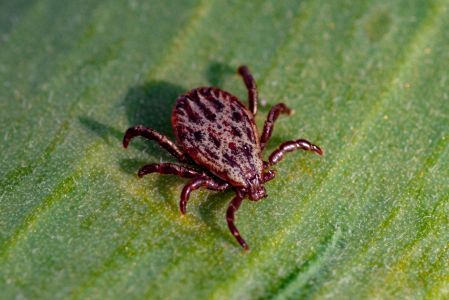
Tick activity is becoming harder to ignore around Upstate New York homes and yards. For many people, ticks used to feel like a problem connected mostly to hiking trails, wooded parks, or camping trips. Today, they are increasingly being found in backyards, pet areas, gardens, tall grass, and the shaded edges of residential properties.
That shift matters. A tick problem is not just an outdoor nuisance. Ticks can carry diseases, and their presence around homes, pets, and children can make everyday yard use more stressful. This is why many property owners are now looking for professional tick exterminators before the problem becomes a recurring seasonal issue.
EnviroPest provides tick control services across Upstate New York, with a focus on inspecting high-risk areas, treating tick hotspots, and helping homeowners reduce tick activity around the property.
Why Tick Problems Are Getting Worse in Upstate New York
Tick activity is increasing for several reasons. One major factor is that ticks thrive in environments with moisture, shade, vegetation, and access to wildlife hosts. Many Upstate New York properties offer exactly those conditions: wooded lots, tall grass, brushy borders, leaf piles, stone walls, woodpiles, and shaded landscaping.
Ticks also depend on animals to move through the environment. Deer, mice, chipmunks, raccoons, birds, and pets can all contribute to tick movement around residential areas. Even if a yard is well maintained, nearby woods or wildlife corridors can keep bringing ticks close to the home.
Warmer seasonal conditions can also extend tick activity. Ticks are often most active during warmer months, but some species can remain active during mild periods when temperatures are above freezing. This means homeowners should not think of ticks as only a short summer problem.
In New York, tick-borne diseases are also a growing concern. Lyme disease is the tick-borne illness most people recognize first, but New York health officials monitor several others as well, including anaplasmosis, babesiosis, ehrlichiosis, Rocky Mountain spotted fever, and Powassan virus. The point is not to create panic, but to show why prevention around the yard matters.
Ticks Are Not Just a Hiking Problem
Many tick bites happen close to home. A person can pick up a tick while gardening, mowing, walking the dog, playing with children outside, cleaning leaves, or sitting near brushy areas. Pets can also bring ticks inside after spending time in grass, shrubs, or wooded edges.
This is one reason Upstate New York tick control should focus on the whole property, not just the obvious lawn area. Ticks often wait in shaded, humid places where they can attach to a passing host. They are not usually sitting in the middle of a dry, sunny lawn. They are more likely to be found along transition zones where open yard meets vegetation, brush, woods, or animal activity.
Common places ticks may be found include:
- Tall grass near fence lines
- Leaf litter under trees
- Wooded edges of the yard
- Stone walls and woodpiles
- Shaded shrubs and ornamental plants
- Pet resting or play areas
- Moist areas around overgrown landscaping
- Trails, paths, and garden borders
For homeowners, the challenge is that these areas often look normal. A yard can seem clean and still have tick-friendly conditions around the edges.
Common Tick Hotspots Around Upstate New York Homes
| Tick Hotspot | Why Ticks Like It | What Homeowners Can Do |
| Tall grass | Provides shade and moisture | Mow regularly and trim edges |
| Leaf litter | Creates a cool, protected habitat | Rake and remove leaves |
| Wooded borders | Connects ticks with wildlife hosts | Create a maintained barrier zone |
| Wood piles and stone walls | Attracts mice and small animals | Keep areas dry, clear, and away from the home |
| Shrubs and ornamentals | Offers shade near host movement | Trim plants and improve airflow |
| Pet areas | Dogs and cats can pick up ticks outside | Check pets after outdoor time |
This type of yard inspection is important because tick control works best when the high-risk areas are identified first.
Why Tick-Borne Disease Risk Is a Bigger Concern Now
Ticks are a health concern because some can transmit pathogens through their bite. In New York, the blacklegged tick, also known as the deer tick, is especially important because it is associated with Lyme disease, anaplasmosis, babesiosis, and other tick-borne illnesses.
Not every tick carries disease, and not every tick bite causes illness. Still, repeated tick exposure around a property increases the chance that people or pets may come into contact with infected ticks. Homeowners should also know that some tick-borne illnesses can have symptoms that are not always obvious right away.
This article is not medical advice. If someone is bitten by a tick and develops symptoms such as rash, fever, fatigue, muscle aches, or flu-like illness, they should contact a healthcare provider. From a pest control perspective, the goal is to reduce tick pressure around the property before bites happen.
DIY Yard Work Helps, But It May Not Be Enough
Yard upkeep can make a real difference, especially in the areas where ticks like to wait for a host. Keeping grass trimmed, clearing leaves from shaded spots, cutting back overgrowth, and reducing outdoor clutter can make the property less comfortable for ticks and for the wildlife that carries them.
However, DIY prevention may not be enough when a property has heavy tick pressure. This is especially true for homes near woods, fields, water, deer paths, or overgrown neighboring lots. It is also common for ticks to keep returning when pets, wildlife, or shaded vegetation continue to support the tick population.
Homeowners should consider professional help when:
- Ticks are found on pets or family members
- Ticks are repeatedly found in the yard
- The property borders woods, tall grass, or brush
- Children or pets spend a lot of time outside
- DIY treatments or yard cleanup have not solved the issue
- The yard has shaded, moist, or overgrown areas
- Deer, mice, or other wildlife are active near the home
This is when local tick exterminators can provide a more targeted plan.
How EnviroPest Approaches Tick Control
EnviroPest’s tick control approach starts with identifying where ticks are most likely to live and move around the property. Instead of treating the yard as one flat surface, professional tick control focuses on high-risk zones: wooded edges, shaded vegetation, tall grass, pet areas, and places where wildlife may travel.
EnviroPest also offers mosquito and tick prevention services as part of its exterior pest programs. These services are designed to reduce pest activity in key outdoor areas where homeowners and families spend time.
A professional tick control plan may include:
- Property inspection
- Identification of tick-friendly areas
- Treatment of high-focus outdoor zones
- Recommendations for yard maintenance
- Seasonal prevention planning
- Follow-up service when needed
Common tick habitats are usually the same areas treatment focuses on: shaded edges, tall grass, leaf litter, wooded borders, and places where pets or wildlife move through the yard.
Practical Tick Prevention Tips for Homeowners
Tick prevention works best when treatment and yard care support each other. After high-risk areas are treated, simple changes around the property can help reduce the shade, moisture, and cover ticks rely on.
Useful prevention steps include:
- Keep grass short, especially along property edges.
- Remove leaf litter from shaded areas.
- Trim shrubs and low vegetation.
- Move woodpiles away from the house.
- Keep play areas away from wooded borders.
- Create a clean barrier between lawn and woods.
- Check pets after outdoor time.
- Discourage rodents by reducing clutter and food sources.
- Keep outdoor sitting areas dry, open, and well maintained.
H2 Upstate New York Tick Control Starts Before the Bite
Tick problems in Upstate New York are not going away on their own. With wooded properties, wildlife movement, moisture, and longer periods of tick activity, homeowners need to think about prevention before ticks become a regular part of outdoor life.
If ticks are showing up on pets, clothing, children, or outdoor furniture, it may be time to contact professional tick exterminators. EnviroPest can inspect your property, identify high-risk areas, and recommend a tick control plan designed for your yard.
For Upstate New York tick control, request a free estimate to find out what is driving tick activity around your property and what can be done to reduce it.