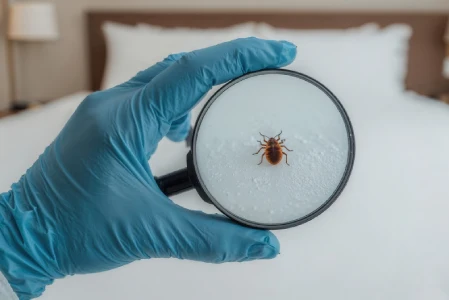
When dealing with bed bugs, rodents, ants, or other unwanted pests, many homeowners use the terms interchangeably. But homeowners should be aware that pest control and extermination are not the same. Knowing the difference helps find the right solution, especially if you live in Upstate New York, where seasonal pest pressures and multi-unit housing can make infestations more complex.
Here is a complete breakdown of pest control vs extermination, not just in theory, but in how these services are applied in homes and multi-unit properties across Upstate New York. Understanding this distinction is especially important when dealing with bed bugs, where improper treatment planning can lead to reinfestation.
What Is Extermination?
Extermination focuses on eliminating an active pest infestation. It is typically a reactive service performed after pests have already become a problem.
Extermination often includes:
- Targeted chemical treatments
- Rapid elimination methods
- One-time or short-term service
- Focus on killing visible or confirmed pests
If you discover a serious bed bug or other pest infestation, extermination may be necessary to reduce the population immediately. In severe cases, this may include heat treatments or other intensive methods.
EnviroPest offers professional extermination services across New York State, including specialized solutions for difficult infestations. Extermination is effective when immediate action is required. However, it does not always address the underlying reasons pests entered the property.
In the pest management industry, the term “exterminator” is often associated with traditional, treatment-only services. While effective for immediate elimination, this approach may not include structural assessment, monitoring, or long-term prevention planning ,factors that are particularly important in complex infestations like bed bugs.
What Is Pest Control?
Pest control is a broader, long-term strategy. Instead of focusing solely on elimination, pest control encompasses prevention, monitoring, and environmental adjustments to reduce the likelihood of recurring infestations.
Modern pest control often follows an Integrated Pest Management (IPM) approach. This includes:
- Detailed inspections
- Identifying entry points
- Monitoring pest activity
- Targeted treatments only when necessary
- Preventative measures to reduce recurrence
In bed bug control, pest control does not stop at killing active insects. It includes inspection, preparation guidance, follow-up visits, and prevention strategies to avoid reinfestation.
If you are dealing specifically with bed bugs in Upstate New York, you can review EnviroPest’s bed bug treatment services.
You can also read about the importance of professional inspections.
When comparing pest control vs extermination, pest control is generally considered the more comprehensive and preventative approach.
Pest Control vs Extermination: Side-by-Side Comparison
Understanding pest control vs extermination becomes easier when you compare them directly:
Extermination
- Reactive response to an existing problem
- Focused on eliminating current infestation
- Often chemical-heavy
- May be one-time service
- Limited long-term prevention
Pest Control
- Proactive and preventative
- Focuses on management and reduction
- Uses inspection and monitoring
- Integrated, targeted treatments
- Designed to prevent recurrence
The difference between pest control vs extermination often comes down to strategy. Extermination eliminates the immediate threat. Pest control manages the environment to prevent future problems.
How It Matters in New York
Upstate New York presents unique pest challenges:
- Cold winters drive rodents indoors
- Multi-unit housing increases bed bug spread
- Seasonal moisture can increase insect activity
In high-density housing and apartment buildings, especially across Central and Western New York, relying solely on extermination may not be enough. Bed bugs, for example, can spread between units, making long-term management critical.
In apartment buildings and rental properties common throughout Central and Western New York, bed bugs can spread through shared walls, plumbing penetrations, and electrical conduits. Treating a unit without evaluating adjacent risk areas can lead to recurring infestations, even if the initial extermination appears successful.
For a better understanding of the process, you can read articles that underline how long a full elimination process may take.
And if you are unsure how infestations begin, this guide explains common causes.
In these situations, pest control vs extermination is not just a semantic difference; it directly impacts whether the issue returns.
When Do You Need Extermination?
Extermination is typically necessary when:
- The infestation is severe
- There is an immediate health concern
- Pests are actively spreading
- Quick population reduction is required
In a situation where a confirmed bed bug outbreak is in a property, it may require immediate extermination before shifting to long-term control measures.
Homeowners preparing for treatment can review this preparation checklist.
When Is Pest Control the Better Option?
Pest control is often ideal when:
- You want ongoing protection
- The infestation is mild or early-stage
- You want reduced chemical exposure
- You are managing recurring seasonal pests
An IPM-based pest control strategy emphasizes targeted solutions and preventative measures for families, pet owners, and property managers who want sustainable protection.
In many cases, the best solution combines both approaches: initial extermination followed by structured pest control management.
Is Pest Control the Same as Extermination?
No. While both aim to deal with pests, the difference between pest control vs extermination lies in scope and long-term impact.
Extermination focuses on eliminating existing pests. Pest control focuses on managing conditions that allow pests to thrive, reducing the likelihood they return.
For bed bug issues specifically, you should review cost considerations.
Which Is Better for Bed Bugs in New York?
For bed bugs, extermination may be necessary at the beginning of treatment. However, long-term pest control strategies are critical to prevent reinfestation.
Bed bugs are persistent and hide in wall voids, furniture seams, and shared structural spaces. Without inspection, monitoring, and follow-up, infestations can return.
In most cases, the most effective solution is:
- Professional inspection
- Targeted extermination treatment
- Ongoing monitoring and prevention
The combined approach works best and offers the highest likelihood of long-term success, especially in multi-unit properties common throughout Upstate New York.
Choosing the Right Approach for Your Property
When evaluating pest control vs extermination, the most important question is not which term sounds stronger — but which strategy reduces long-term risk.
Extermination eliminates active infestations.
Pest control addresses the conditions that allow infestations to return.
For bed bug issues in Upstate New York, particularly in apartments, rentals, and multi-family properties, relying on extermination alone may not provide lasting protection. Inspection-driven treatment planning, follow-up monitoring, and a preventative strategy are often necessary to fully resolve the problem.
Enviropest provides professional bed bug services throughout Upstate New York, combining targeted extermination with structured pest control strategies to reduce the risk of reinfestation. If you suspect bed bugs or recurring pest activity, scheduling a professional inspection is the most reliable way to determine the appropriate course of action for your property.