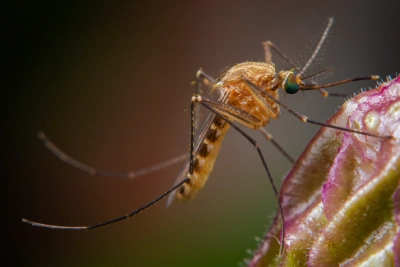
A mosquito problem in Buffalo, NY can change the way you use your yard. A patio dinner gets cut short. Kids avoid the backyard. A quiet evening on the deck turns into swatting at your arms and ankles.
In Western New York, mosquito activity often gets worse when warm weather, humidity, and repeated rainfall come together. This year, Buffalo and the surrounding region have had the kind of wet, warm start to the season that can make mosquito activity feel worse earlier and last longer around yards. After a wet stretch, water can collect in places homeowners do not always notice, and mosquitoes do not need much water to reproduce. A small container, clogged gutter, birdbath, tarp, or low spot in the lawn can become part of the problem.
That is why a Buffalo NY mosquito population increase is often connected to weather and yard conditions rather than one obvious source. The mosquitoes you feel around the deck may be resting in shaded landscaping, breeding in standing water, or coming from nearby areas where moisture keeps returning.
Why Mosquitoes Surge After Wet Buffalo Weather
Mosquitoes need water to complete their life cycle. They develop through four stages: egg, larva, pupa, and adult. The larval and pupal stages happen in water, which is why even small areas of standing water can support mosquito activity when conditions are warm and damp.
After heavy rain or several humid days, standing water can build up around the property. In Buffalo and surrounding Erie County communities, that can happen quickly after spring storms, summer rain, or stretches of damp weather. When rain keeps returning, new breeding sites can appear again after standing water has already been dumped or cleaned up once.
The issue is not always a pond or drainage ditch. Many mosquito breeding sites are small and easy to miss. Flowerpot saucers, children’s toys, buckets, wheelbarrows, pool covers, tarps, old tires, and clogged gutters can all hold enough water to support mosquito activity.
Warm, humid weather also gives adult mosquitoes better resting conditions. During the day, they often stay in shaded, protected areas such as shrubs, tall grass, dense landscaping, under decks, around fences, and near damp corners of the yard. Then they become more noticeable when people are outside in the evening.
| Buffalo yard condition | Why it can make mosquitoes worse |
| Repeated rain | Creates new standing water around the property |
| Warm, humid weather | Helps mosquitoes stay active and comfortable |
| Shaded landscaping | Gives adult mosquitoes protected resting areas |
| Clogged gutters or containers | Creates small breeding sites that are easy to miss |
| Nearby wooded or damp areas | Can keep mosquito pressure coming from nearby areas |
Common Mosquito Hot Spots Around the Yard
A good mosquito plan starts by looking at the entire yard, not just the area where people are being bitten. Mosquitoes may be breeding in one place and resting in another.
Common hot spots around Buffalo homes include:
- Clogged gutters and downspouts
- Birdbaths and fountains
- Flowerpots and plant saucers
- Pool covers and wading pools
- Buckets, toys, and outdoor containers
- Wheelbarrows and tarps
- Old tires or stored yard items
- Low spots where water collects
- Dense shrubs and overgrown grass
- Damp areas under decks or near fences
After rain, homeowners should walk the property and look for anything holding water. Dumping small containers, cleaning gutters, changing birdbath water, and keeping pools or fountains maintained can help reduce breeding areas. But if mosquitoes are resting in heavy shade or coming from nearby properties, yard cleanup alone may not be enough.
Why Some Buffalo Yards Have More Mosquitoes Than Others
Buffalo yards are not all the same. A home in Amherst with mature trees and shaded landscaping may have different mosquito pressure than a property in Orchard Park with more open space, a backyard pool, or low areas that hold water. Homes in Cheektowaga, West Seneca, the Northtowns, and the Southtowns can all deal with different combinations of moisture, shade, drainage, and nearby vegetation.
Even after standing water is removed from one yard, mosquito activity can continue if nearby wooded areas, drainage spots, dense vegetation, or shaded damp areas are still supporting them.
Mosquito control should not be treated as a one-size-fits-all spray. A better approach looks at where mosquitoes may be breeding, where they are resting, and how the yard is being used. The goal is to reduce activity around the places that matter most, such as patios, decks, play areas, pools, gardens, and entrances.
For many Buffalo-area properties, the most effective mosquito plan combines source reduction with targeted treatment in high-activity areas. That means looking at both the places where mosquitoes can develop and the places where adult mosquitoes hide during the day.
Are Mosquitoes in Buffalo a Health Concern?
For most people, mosquitoes are mainly a comfort issue. The bites are itchy, irritating, and can make it difficult to enjoy the yard. Mosquitoes can also raise health concerns, since some species are capable of spreading illnesses like West Nile Virus and Eastern Equine Encephalitis.
In Western New York, these illnesses are considered rare, but they are still monitored by health officials. That means the right tone is not panic, but prevention. Reducing mosquito breeding areas, limiting bites, and keeping mosquitoes away from outdoor living spaces are all practical steps.
Families can also reduce exposure by using EPA-registered repellent as directed, wearing long sleeves and pants when mosquitoes are active, repairing window and door screens, and being more cautious around dusk and dawn, when many mosquitoes are most active.
Why Quick Fixes Often Fall Short
It is easy to assume that one store-bought spray or one weekend of yard cleanup will solve the problem. Sometimes those steps help, especially if the main issue is a few obvious containers holding water. But recurring mosquito problems usually need a closer look.
Mosquitoes can rest in areas that homeowners do not think to treat, such as the underside of leaves, shaded shrubs, tall grass, and damp protected spaces. New mosquitoes can also continue to develop if water keeps collecting after each rain. Since mosquito larvae develop in water, the problem can restart quickly when small containers, gutters, tarps, or low spots fill again.
This is why professional mosquito control starts with inspection. A technician should look for breeding sources, resting zones, moisture issues, dense vegetation, and other conditions that support mosquito activity. The treatment plan should match the property instead of treating every yard the same way.
A stronger mosquito control plan usually looks at:
- Where water is collecting
- Where adult mosquitoes are resting
- Which areas of the yard people use most
- Whether nearby wooded areas or damp spaces are adding pressure
- How often wet weather is creating new mosquito conditions
What Homeowners Can Do First
Before professional treatment, there are several steps that can make a yard less attractive to mosquitoes:
- Empty standing water after rain
- Clean gutters and downspouts
- Turn over buckets, toys, and wheelbarrows
- Change birdbath water regularly
- Keep pool covers from holding water
- Maintain pools, hot tubs, and fountains
- Trim tall grass and dense vegetation
- Remove yard debris that traps moisture
- Repair torn window and door screens
These steps are especially useful during wet periods, when mosquito breeding can restart quickly. The key is consistency. Checking the yard once is helpful, but checking after every rain is better.
When Mosquito Control Makes Sense
Mosquito control may make sense when mosquitoes keep returning even after standing water has been removed. It can also help when the yard has heavy shade, moisture problems, dense landscaping, or outdoor areas that your family cannot comfortably use.
EnviroPest’s mosquito approach fits this kind of problem because it starts with a thorough look at the yard and the places mosquitoes are likely to breed or rest. From there, treatment can be focused on the areas that matter most, with options designed to help make the yard more comfortable through the season.
For properties around Buffalo, this type of targeted approach is important because mosquito pressure can change after every storm, warm spell, or stretch of humidity. A treatment plan should focus on high-use and high-activity areas, including shaded landscaping, shrubs, tall grass, fence lines, damp corners, patios, decks, pool areas, gardens, and entrances.
Because mosquitoes can continue developing after new rain, seasonal mosquito control may also require repeated service through the warmer months. This helps address new activity as conditions change instead of relying on a one-time treatment.
Mosquito Control for Buffalo Homes and Yards
Mosquitoes are part of summer in Western New York, but they should not take over the property. If the problem keeps coming back after rain, or if mosquitoes are making the deck, patio, pool, or backyard difficult to enjoy, the yard may need more than basic cleanup.
The best mosquito control plan starts with understanding the property. Standing water, shade, landscaping, drainage, nearby activity, and seasonal weather can all affect how bad the problem becomes. With the right inspection and a targeted plan, it is possible to reduce mosquito pressure and make outdoor spaces easier to use again.
If mosquitoes are making your yard hard to enjoy this season, EnviroPest can help. Our team provides safe, effective mosquito control solutions for Buffalo and surrounding Western New York communities, with treatments focused on the areas where mosquitoes breed, rest, and bother your family most. Contact EnviroPest today to schedule your mosquito inspection and get a plan designed for your property.